 EXPAT FIDUCIARY
Saving is half the plan. Spending is the other half.
You save for decades, but hardly anyone plans how to take the money out, even though the order of good and bad market years matters as much as the return itself.
You spent decades building your wealth. Pensions, savings, a portfolio, maybe a property or two.
Then one day you start taking it out. Very few people have planned that part.
Most advice stops at the finish line of accumulation: how much to save, where to invest, and what it might grow to. Taking money out is a different problem, and in an international life it is harder than it looks.
Why drawing down is a different problem
When you save, a difficult year hurts on paper. You keep contributing and buy more at lower prices.
When you spend, a difficult year hurts for real. You still need the same money for the same bills, so you sell more of your investments at lower prices to cover them. Those units are gone when the market recovers.
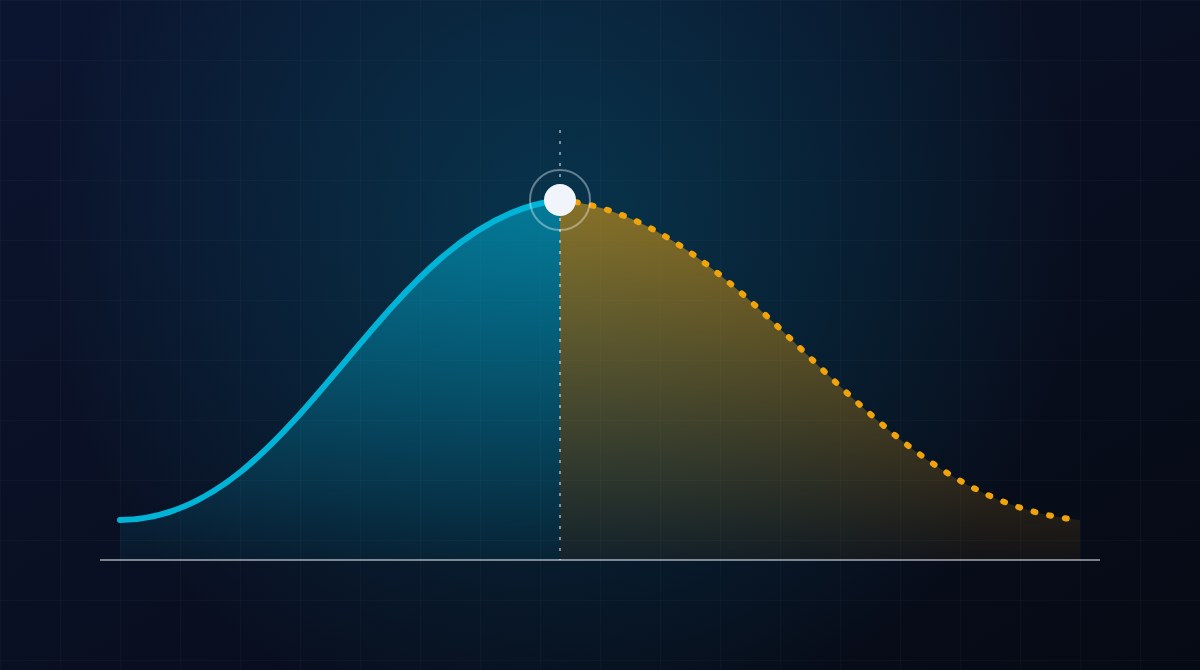
Two people can retire with the same pot and earn the same average return over twenty years. If one has the bad years first and the other has them last, their outcomes can look very different. The first can run short years earlier. This is often called sequence risk, and it has nothing to do with how clever your portfolio is. It depends on the order in which things happen.
Four questions nobody asks before they stop working
- Where does the money come from first? Cash, a portfolio, a workplace pension, a state pension, and a lump sum from an old employer. Each has its own rules, its own tax treatment and its own start date. The order in which you use them can change what you keep, and the right order depends on where you live. There is no universal answer, which is why it needs to be worked out in advance.
- What happens in a difficult market? If every euro you spend comes from the same portfolio, a difficult year forces you to sell low. Many people keep a buffer of cash or near-cash for exactly this situation, so they can leave investments alone for a while. The buffer size depends on your spending and comfort, and it is worth deciding before you need it.
- What is fixed and what is flexible? Housing, insurance, health, taxes and family obligations rarely bend. Travel, gifts and renovations often can. If your essential spending is covered by income you can rely on, a difficult year becomes a nuisance and not a crisis. If it isn’t, you want to know that now.
- In which currency do you spend? Pensions from the Netherlands, Belgium or France usually arrive in euros, and a British pension is set in pounds. If you live and spend elsewhere, the gap between where your income lands and where your costs sit moves with every exchange rate.
The international twist
A cross-border life adds three complications.
Different pensions pay differently. Some pay a monthly amount for life. Others pay a lump sum once. A one-off payment needs a plan, because it won’t repeat.
Start dates differ. State pensions begin at ages set by each country, and those ages have moved. Between stopping work and the first payment, something else has to carry you.
Tax can apply in more than one place. Where a payout is taxed depends on the type of income, where you live and which treaty applies. Check it before the first payment arrives, not after.
The link to liquidity
All this rests on one assumption: when you need your money, you can get it at today’s value.
If part of your wealth is in a contract with surrender charges or a long lock-in, it won’t help when you need it. A plan for spending is only as effective as the cash you can reach without a penalty.
Five questions to answer before you stop working
- What do I need to spend each month on the essentials, and where does that money come from?
- In what order will I use each pot, and have I checked the tax in my country of residence?
- What is my buffer for a difficult market year, and how long does it last?
- In which currency will I be paid, and in which will I spend?
- Can I reach every part of my wealth within days, without a penalty?
One page you can write this month
Your monthly essential spending and your flexible spending.
Every source of income, with the amount, the currency and the start date.
Your buffer and what you would do in a difficult year, such as cutting flexible spending first.
The deadlines you still have to meet before payments start.
None of this requires a product. It requires one honest page and a few hours.
Active in expatriate insurance and international wealth structuring since 2006. Independent platform facilitation for expats who live outside the EU. Expat Fiduciary, founded February 2026.
This article is for general information only. It is not financial, tax, legal or investment advice and is not directed at residents of the EEA. Rules and tax treatment differ per country and personal situation; seek qualified advice in each relevant jurisdiction.